
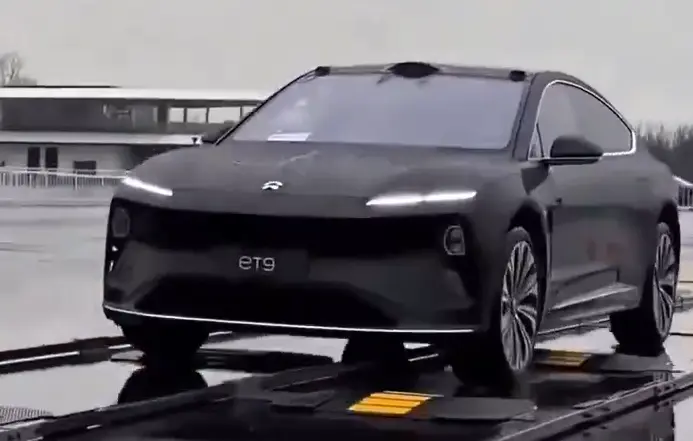
Discover how Chinese car suspensions like NIO’s SkyRide outperform BMW and Audi in comfort and innovation. A smooth revolution is reshaping luxury driving. (photo X@NoContextHumans)
How Chinese Car Suspensions Are Shocking the Luxury Auto World
Published on:
Author: Rapido Updates
Just a few years ago, most people thought of Chinese cars as budget-friendly but basic. Today, that story is changing fast. Chinese carmakers like NIO, BYD, and Geely are now competing with the world’s best—including German giants BMW and Audi. One area where this competition is heating up is suspension technology, which affects how smooth and comfortable a car feels on the road.
Suspension systems are like the legs of a car. They help absorb shocks from bumps and potholes, keeping the ride smooth and stable. For decades, BMW and Audi have been known for their excellent suspension systems. But now, Chinese brands are introducing new technologies that are not just catching up—they’re surprising everyone.
NIO ET9 vs BMW 7 Series and Audi A8: The Suspension Showdown
In a recent test, the Chinese electric sedan NIO ET9 went head-to-head with the BMW 7 Series and Audi A8, two of Germany’s most luxurious cars. The test involved driving over rubber speed bumps while carrying delicate champagne glasses on the hood. The goal? To see which car could keep the glasses steady without spilling a drop.
The results were shocking. The NIO ET9, equipped with its SkyRide Fully Active Suspension System, glided over the bumps like a business jet. Not a single glass moved. Meanwhile, the BMW and Audi models showed visible wobbling and shaking.
This test wasn’t just for show. It highlighted how advanced Chinese suspension systems have become. NIO’s SkyRide system uses smart sensors and electric motors to adjust the suspension in real time. This means the car can react instantly to road conditions, offering a ride that feels almost magical.
What Makes Chinese Suspensions So Smart?
So, what’s the secret behind this smooth ride? Chinese carmakers are using active suspension systems, which are more advanced than traditional ones. Here’s how they work:
- Real-time adjustments: Sensors detect road bumps and send signals to the suspension system.
- Electric actuators: These adjust the height and stiffness of the suspension instantly.
- Steer-by-wire and rear-wheel steering: These features help the car stay balanced and stable, even on uneven roads.
This technology is not just about comfort. It also improves safety, handling, and fuel efficiency. And because many Chinese cars are electric, they can use battery power to run these smart systems without affecting performance.
Watch the suspension test here: NIO ET9 vs BMW vs Audi Suspension Test
What This Means for the Global Car Market
The success of the NIO ET9 in suspension tests shows that Chinese carmakers are no longer just following—they’re leading. BMW and Audi still offer excellent engineering, but they now face serious competition from China.
For buyers, this means more choices and better value. Chinese cars are often priced lower than their German rivals, yet they offer similar or even better features. As more people see videos and reviews of these suspension tests, interest in Chinese cars is growing fast.
In the future, we might see Chinese suspension technology used in cars around the world. And as electric vehicles become more popular, smart suspension systems like SkyRide could become the new standard.
Final Thoughts
The battle between Chinese and German carmakers is no longer just about price—it’s about innovation. With smart suspension systems that rival the best in the world, Chinese brands like NIO are proving they can deliver luxury, comfort, and cutting-edge tech. So next time you see a Chinese car on the road, don’t be surprised if it glides past you like it’s floating on air.
Also read:
- BYD eMax 7 Electrifies India’s MPV Market: A Bold Leap Toward Sustainable Luxury
- BYD Atto 3: The Electric Game-Changer That’s Shocking India SUV Market
Stay informed with the latest news and updates—only on Rapido Updates.