
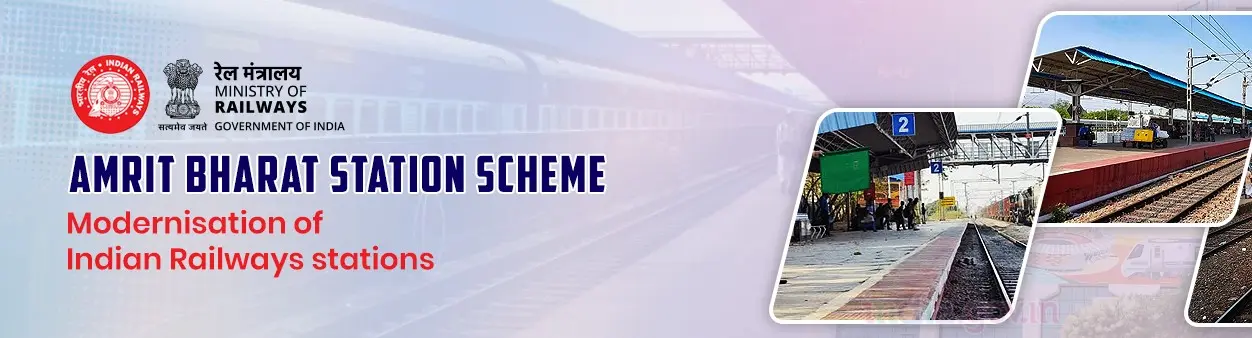
Amrit Bharat Station
Introduction: A New Dawn for Indian Railways
India’s railway stations have long been the lifeline of the nation, bustling with stories, journeys, and the pulse of everyday life. Yet, for decades, many of these stations remained relics of the past, struggling to keep pace with the demands of modern travel. Enter the Amrit Bharat Station Scheme, a transformative initiative launched by the Government of India to redevelop over 1300 railway stations across the country into world-class, passenger-friendly hubs.
This ambitious scheme is not just about aesthetics or infrastructure. It’s about reimagining the railway experience, integrating technology, sustainability, and inclusivity to create stations that reflect the aspirations of a rising India.
What Is the Amrit Bharat Station Scheme?
Launched in 2023, the Amrit Bharat Station Scheme (ABSS) is a long-term blueprint for the holistic development of railway stations. Unlike previous efforts that focused on select high-traffic stations, ABSS aims to upgrade a wide spectrum of stations, including those in Tier-2 and Tier-3 cities, semi-urban areas, and even remote regions.
Key Objectives:
- Modernize station infrastructure and amenities
- Improve accessibility and passenger experience
- Enhance multimodal connectivity
- Promote sustainability and green practices
- Foster local culture and heritage in design
The scheme is aligned with the broader vision of Amrit Kaal, India’s roadmap to becoming a developed nation by 2047.
Scope and Scale: Over 1300 Stations, One Unified Vision
The scale of ABSS is unprecedented. More than 1300 stations have been identified for redevelopment, covering every corner of the country from bustling metros like Delhi and Mumbai to heritage-rich towns like Varanasi and Madurai, and strategic locations like Guwahati and Jammu.
Redevelopment Highlights:
- Upgraded platforms with better lighting, seating, and signage
- Modern facades reflecting local architecture and culture
- Roof plazas for retail, dining, and community events
- Improved circulation areas for smoother passenger flow
- Smart toilets, drinking water kiosks, and digital information boards
- Multimodal integration with buses, metros, and taxis
These stations are being designed as urban icons, not just transit points, places where people gather, interact, and experience the spirit of India.
Technology Meets Tradition: Smart Yet Soulful
One of the standout features of ABSS is its emphasis on smart technology. From AI-powered surveillance systems to IoT-enabled maintenance, the scheme is bringing cutting-edge innovation to the railway ecosystem.
Tech Features:
- Digital ticketing kiosks and QR code-based entry
- Real-time train tracking and passenger information systems
- Energy-efficient lighting and solar panels
- Smart waste management and water recycling units
Yet, the scheme also ensures that modernization doesn’t erase identity. Stations are being designed to celebrate local heritage, with murals, motifs, and architectural elements that reflect regional culture.
Sustainability and Green Infrastructure
In line with India’s climate commitments, ABSS places a strong emphasis on eco-friendly design and sustainable operations.
Green Initiatives:
- Rainwater harvesting systems
- Solar energy installations
- LED lighting and energy-efficient HVAC systems
- Green landscaping and vertical gardens
- Plastic-free zones and recycling stations
These efforts not only reduce the carbon footprint of railway operations but also create healthier, more pleasant environments for passengers and staff.
Inclusivity and Accessibility
ABSS is designed to serve every Indian, regardless of age, ability, or background. Special attention is being given to universal design principles that ensure accessibility for all.
Inclusive Features:
- Ramps and tactile flooring for differently-abled passengers
- Braille signage and audio announcements
- Dedicated help desks and escort services
- Child-friendly zones and nursing rooms
- Senior citizen lounges and priority seating
This inclusive approach reflects a deeper commitment to social equity and human dignity in public infrastructure.
Urban Integration and Economic Impact
Redeveloped stations are being envisioned as urban anchors, seamlessly integrated into the fabric of the city. This includes:
- Improved road connectivity
- Integration with metro and bus networks
- Retail and commercial spaces for local businesses
- Employment generation through construction and operations
The scheme is expected to create thousands of jobs, boost local economies, and enhance real estate value around station precincts.
Voices from the Ground: Stories of Transformation
Let’s hear from those whose lives are already being touched by the scheme.
Ramesh Patel, a vendor at the redeveloped Gandhinagar Capital Station, shares:
“Earlier, the station was dusty and chaotic. Now, it feels like an airport. My business has doubled, and tourists love the new look.”
Aarti Sharma, a student in Bhopal, says:
“The new station is clean, safe, and has Wi-Fi. I can study while waiting for my train. It’s a huge change.”
These stories reflect the human impact of infrastructure, how thoughtful design can uplift lives and communities.
Funding and Implementation
The scheme is being implemented through a mix of:
- Government funding
- Public-private partnerships (PPPs)
- Station development corporations
The Railway Ministry is working closely with state governments, urban planners, and architects to ensure timely execution and quality control.
Case Studies: Stations Leading the Way
Rani Kamalapati Station, Bhopal
- First redeveloped station under PPP model
- Features airport-like amenities, lounges, and retail zones
- Solar-powered and fully accessible
Gandhinagar Capital Station, Gujarat
- Integrated with a five-star hotel
- Hosts exhibitions and cultural events
- Designed with earthquake-resistant structures
Sir M. Visvesvaraya Terminal, Bengaluru
- First greenfield terminal in South India
- Equipped with smart sensors and automated systems
- Serves as a model for future developments
Challenges and Road Ahead
While the scheme is visionary, it faces challenges:
- Land acquisition issues
- Coordination across agencies
- Maintaining heritage structures
- Ensuring affordability and inclusivity
To overcome these, the government is focusing on:
- Transparent tendering processes
- Community engagement
- Capacity building for railway staff
- Monitoring and evaluation frameworks
The goal is to ensure that the transformation is sustainable, scalable, and citizen-centric.
Conclusion: A Journey Worth Taking
The Amrit Bharat Station Scheme is more than a redevelopment project, it’s a national movement to redefine how India travels, connects, and experiences its cities. It’s about turning railway stations into symbols of progress, gateways to opportunity, and spaces of pride.
As India marches toward its centenary of independence in 2047, these stations will stand as testaments to vision, resilience, and innovation, proving that infrastructure, when done right, can be a powerful force for transformation.
Also read – How PM Awas Yojana Is Building India’s Affordable Housing Revolution
Stay updated with latest updated news blogs on Rapido Updates.
FAQ – Frequently Asked Questions
1. What is the Amrit Bharat Station Scheme?
The Amrit Bharat Station Scheme is a government initiative aimed at redeveloping over 1300 railway stations across India to improve infrastructure, passenger amenities, and connectivity.
2. Which stations are included in the scheme?
The scheme covers a wide range of stations from major urban hubs to smaller regional and rural stations, selected based on strategic importance and passenger volume.
3. What are the key features of redeveloped stations?
Redeveloped stations will include:
Modern facades and roof plazas
Smart ticketing and digital displays
Improved accessibility and sanitation
Multimodal transport integration
Sustainable features like solar panels and rainwater harvesting
4. How is this different from earlier station redevelopment plans?
Unlike previous plans that focused on a few high-profile stations, Amrit Bharat takes a holistic and inclusive approach, targeting a broader network and emphasizing long-term development.
5. Who is funding the Amrit Bharat Station Scheme?
Funding comes from a mix of government allocations, public-private partnerships (PPPs), and station development corporations under the Ministry of Railways.
6. Will local culture be reflected in the new station designs?
Yes. Each station’s design will incorporate regional architecture, art, and heritage, making them culturally resonant and locally relevant.
7. How will this scheme benefit passengers?
Passengers will enjoy:
Cleaner, safer, and more comfortable stations
Faster and more efficient services
Better connectivity to other transport modes
Enhanced accessibility for seniors and differently-abled individuals
8. Is the scheme environmentally friendly?
Absolutely. The scheme emphasizes green infrastructure, including energy-efficient lighting, solar power, waste management, and water conservation systems.
9. When will the redevelopment be completed?
Timelines vary by station, but many are expected to be completed in phases over the next 3-5 years, with some already operational.
10. How can citizens track progress or give feedback?
Progress updates are available on the Indian Railways website and official portals. Citizens can also share feedback through local railway authorities and digital platforms.